If a sofa bed is going to be used every night, the usual shortcuts show up quickly. You feel the frame through the mattress, the seat cushions lose their shape, and opening it becomes a job you start to dread. That is why choosing sofa beds for everyday use UK households can genuinely live with comes down to more than style. It needs to work as a proper bed, a comfortable sofa, and a practical use of space.
For many homes, that balance matters more than ever. Spare rooms have become home offices, lounges double as guest rooms, and smaller properties need furniture to do more than one job. A sofa bed for everyday sleeping has to be comfortable enough for regular rest, compact enough to suit the room, and durable enough to cope with repeated use without feeling tired after a few months.
What makes sofa beds for everyday use UK homes actually practical?
The first thing to look at is the sleeping surface. Many people focus on the mechanism because it seems like the main feature, but day-to-day comfort starts with what you are sleeping on. A thin pad might be acceptable for the odd guest, yet it rarely holds up well for regular use. If the bed will be used every night, deeper support and a more even sleeping surface matter far more.
That does not always mean the thickest mattress wins. In smaller sofa beds, especially compact two-seaters, the design has to balance mattress depth with a manageable footprint. A well-made fold-out, clic-clac or futon-style model can still be suitable for everyday use if the support beneath the mattress is solid and the cushioning has been designed for repeated sleeping, not just occasional visitors.
The frame is equally important. Using well-built structural timber or steel framework gives better long-term stability than lighter, cheaper alternatives. A sofa bed that feels sturdy when you sit down usually gives a better sign of how it will perform over time. Wobble, flex, or creaking in the showroom stage tends not to improve once it is in daily use.
Then there is ease of use. This matters more than people expect. If you are opening and closing the bed every day, the action needs to feel straightforward and reliable. A mechanism that sticks, catches, or requires too much lifting soon becomes frustrating. In homes where the sofa bed is part of the daily routine, simplicity is often the better choice.
Comfort for sitting and sleeping is a trade-off
One of the hardest parts of buying a sofa bed is accepting that there is always some compromise between sofa comfort and bed comfort. A very lounge-like sofa with soft, sink-in seat cushions may feel lovely for an evening in front of the telly, but that same softness does not always translate into good support overnight.
By the same token, a very firm sleeping surface can make a better bed but a less relaxed sofa. The right choice depends on how the room is used. If the sofa bed is your main bed in a studio flat or compact home, sleep comfort should come first. If it is mainly a sofa with frequent overnight use in a family room, then a more balanced feel may make better sense.
This is where specialist sofa bed makers tend to stand out. They understand that multi-use furniture has to perform in real homes, not just look neat in a brochure. Details such as foam density, mattress quilting, seat depth and opening design all affect whether the piece feels genuinely comfortable or merely acceptable.
Size matters more than most people think
It is easy to focus on whether the bed fits when opened, but the closed dimensions matter just as much. In smaller UK homes, a sofa bed can dominate a room if the proportions are wrong. That is especially true in box rooms, loft rooms, spare rooms, and narrow living spaces where every inch counts.
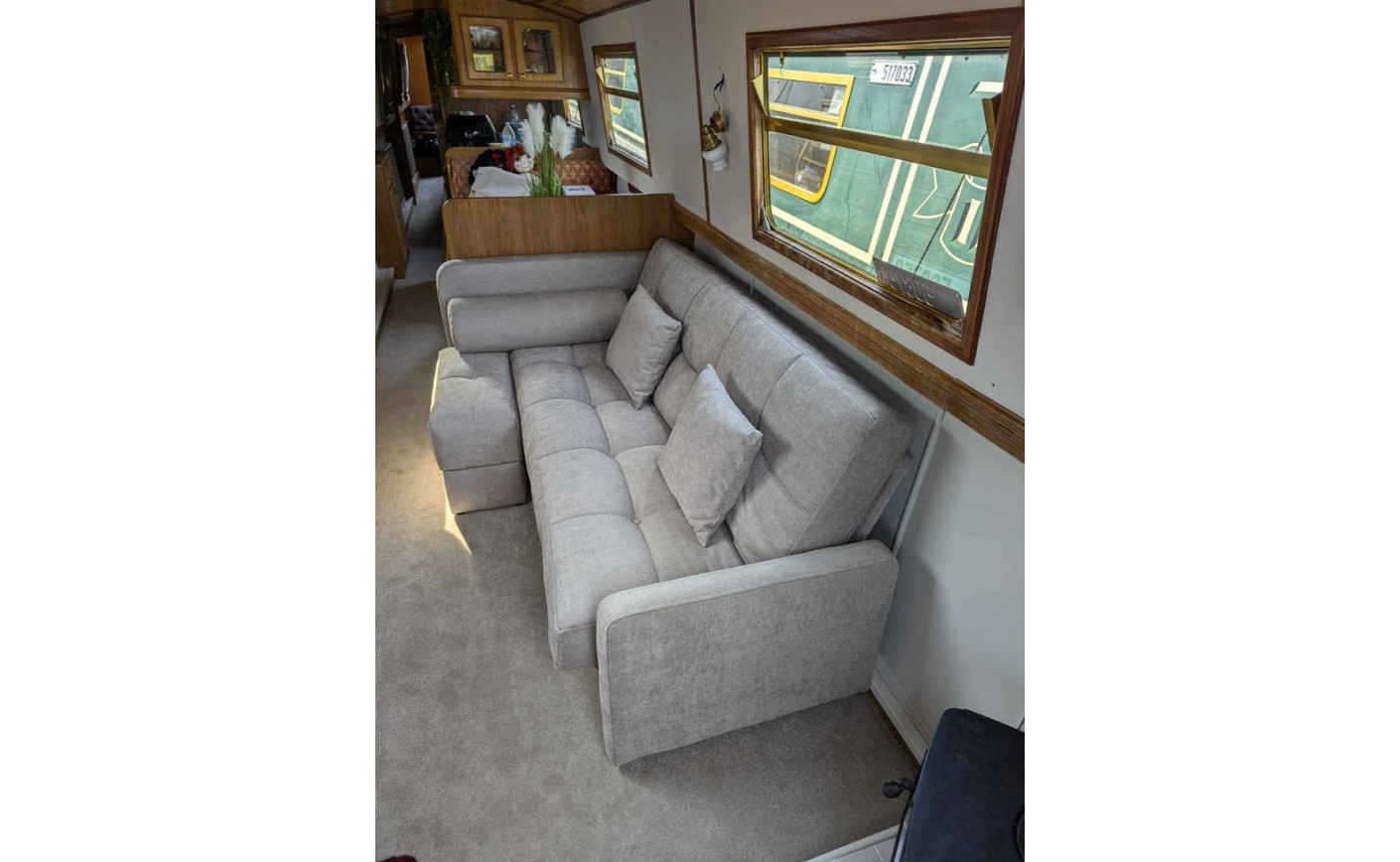
Compact models are often the best answer, particularly if the room needs to stay usable during the day. A neatly sized two-seater, chair bed or small clic-clac can give you proper function without swallowing the floor space. For some customers, a narrower footprint is not just preferable but essential, especially in awkward layouts, narrowboat interiors or dual-purpose rooms.
At the same time, smaller should not mean cramped. A compact sofa bed still needs enough seat depth to feel comfortable and enough sleeping length for the person using it. This is where checking measurements carefully becomes worthwhile. It is not just about whether it fits the wall. You need to know whether it works with door swings, walkways, radiator placement and the rest of the furniture.
Are storage sofa beds worth it?
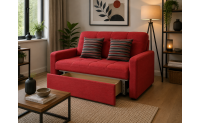
In many homes, yes. Built-in storage can make a sofa bed far more useful, particularly where cupboard space is limited. Bedding, pillows and throws need somewhere to go, and if they can live inside the sofa bed itself, the room stays tidier and easier to manage.
Storage is especially helpful in guest rooms that double as studies, children’s rooms, or small second lounges. It also suits flats and family homes where spare linen often ends up in whatever corner is available. Having everything contained within the furniture saves space and makes the bed quicker to prepare at night.
There is a practical point here, though. Storage should be easy to access and properly built. If lifting the seat feels awkward or the compartment is too shallow to be useful, it becomes more of a selling point than a real benefit. Good storage should make everyday life easier, not add another fiddly step.
Fabric choice is not just about looks
When a sofa bed is used daily, upholstery takes a lot of wear. People sit on it in the morning, sleep on it at night, and often eat, work or watch television from it in between. So while colour and texture matter, durability matters just as much.
A family home might need a tougher, easier-care fabric than a quieter guest room. A rental property or holiday let may need something particularly hard-wearing. If children or pets are part of the picture, practicality should lead the decision. Mid-tone fabrics often cope better with everyday marks than very pale shades, though that depends on the material and weave.
That said, practical does not have to mean plain. One of the advantages of made-to-order furniture is that you can usually choose a fabric that suits your room rather than settling for one or two standard options. For many buyers, that makes a compact, useful sofa bed feel much more at home in the space.
Handmade and made to order can be the better value choice
There is a difference between cheap and good value. With sofa beds, the cheaper end of the market often looks appealing at first because the prices are low and delivery is fast. The problem is that regular use tends to expose weak points quite quickly. Cushions flatten, frames loosen, and mechanisms start to feel rough.
A handmade, made-to-order sofa bed usually offers better value if you need it to last. Better construction, stronger materials and a more considered design can make a noticeable difference over time. It is not simply about craftsmanship for its own sake. It is about getting furniture that stands up to daily life.
This is especially relevant if you are furnishing a room where the sofa bed is not a back-up but a key part of how the home works. A little more care in the buying stage often avoids disappointment later. For UK shoppers who want practical space-saving furniture at fair, reasonable prices, that long-term view tends to pay off.
Who should buy a sofa bed for everyday use?
They make sense for more people than you might think. They are an obvious choice for studio flats and one-bedroom homes where the main living space also needs to serve as a bedroom. They also work well in spare rooms that are used often by visiting family, grown-up children returning home, or anyone wanting flexible sleeping space without a permanent bed frame.
They can also be a strong option for downsizers, young families and households trying to make better use of smaller rooms. Even in larger homes, a well-chosen sofa bed can turn an underused room into something more practical.
At Sofabed Barn, that is exactly why compact sizes, handmade construction and useful options such as storage matter so much. Customers are rarely buying for a show home. They are buying for real rooms, real routines and real space limitations.
How to choose well without overcomplicating it
Start with how often it will be slept on, then measure the room properly, and only after that think about style. If it is for nightly sleeping, prioritise mattress support, frame quality and ease of opening. If it is going in a small room, be realistic about the footprint both closed and open.
After that, think about the details that affect everyday living. Will you need storage? Is the fabric practical for your household? Do you want a neat compact shape, or something with a more generous sofa feel? The best sofa bed is not the one with the longest feature list. It is the one that fits your room and your routine without becoming hard work.
A good sofa bed should make daily living feel simpler, not more cramped. If you choose one with proper support, sensible dimensions and build quality you can rely on, it stops being a compromise and starts being part of a home that works better.