A box room that needs to work as a guest room, home office and everyday living space can go from useful to frustrating very quickly. That is why space saving furniture for small rooms matters so much - not as a design trend, but as a practical way to make limited square footage feel comfortable, tidy and easy to live with.
The best pieces do more than simply fit. They earn their place by doing two jobs well, folding away neatly, or offering storage without making the room feel heavy. In smaller homes, spare bedrooms, flats and family spaces, that balance is what makes the difference between furniture you tolerate and furniture you rely on every day.
What makes space saving furniture for small rooms work
Small-room furniture is not just regular furniture made a few centimetres narrower. It needs to be planned around movement, access and everyday use. A sofa bed, for example, has to be comfortable to sit on, practical to open, and sensible in proportion once fully extended. If it only works in one mode, it is not really saving space.
This is where many people go wrong. They focus on the room's overall dimensions, but not on how the furniture behaves once the room is in use. A compact chair bed may suit a narrow spare room better than a larger sofa bed because it leaves cleaner walkways. A storage footstool can be more useful than an extra armchair if the priority is keeping bedding out of sight. In other words, the right choice depends on what the room needs to do most often.
Start with the room's real job
Before choosing furniture, it helps to be honest about how the room will actually be used. A guest room that is occupied six nights a year has different requirements from a lounge where someone sleeps every weekend. A small bedroom for a teenager needs different storage from a garden room used by occasional visitors. Once that main purpose is clear, the furniture decisions become much easier.
If seating is the priority, a compact sofa bed or clic-clac model often makes the most sense. It gives you a proper seat for daily living and a bed when needed, without committing the whole room to a permanent sleeping setup. If the room is tight on width, a chair bed can be a better fit. It keeps the footprint modest while still giving you a practical sleep solution for one person.
Where storage is the real issue, built-in drawers or under-seat compartments can make a bigger difference than buying extra cabinets. In a small room, separate storage pieces quickly eat into floor space. Furniture that hides bedding, cushions or spare linens inside itself keeps things simpler.
The furniture types that usually work best
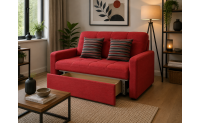
Sofa beds are often the first choice for good reason. In small lounges, spare rooms and multi-use spaces, they combine the two largest furniture needs into one footprint. The key is to choose a model with sensible dimensions and a mechanism that suits how often it will be used. For occasional guests, a straightforward fold-out or clic-clac design can be ideal. For more regular use, comfort and mattress support matter more, even if that means allowing slightly more depth.
Chair beds are especially useful in very tight rooms or awkward corners. They can turn an unused end of a room into a sleep space without overwhelming it. They also suit households that only need an extra single bed now and then, rather than a larger double sleeping option.
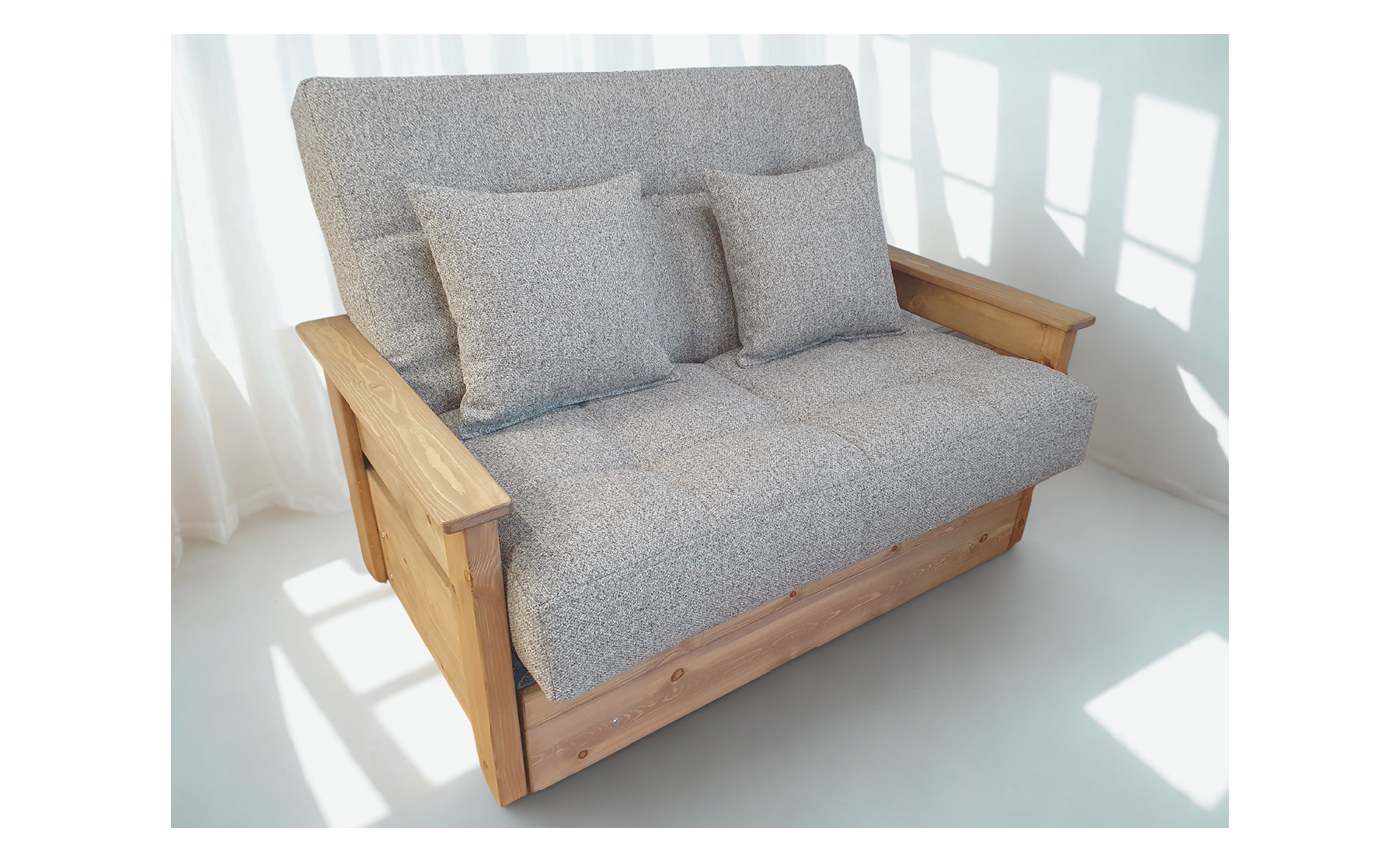
Futon sofa beds still have a place, particularly where flexibility and simplicity matter. They tend to suit casual spaces, home offices and younger households well. Their appeal is often in the straightforward design and easy conversion, though comfort can vary depending on the mattress build and how often it will be slept on.
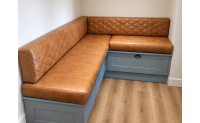
Storage seating is another strong option. Benches with hidden compartments, ottomans and upholstered box seating help reduce clutter while still providing somewhere to sit. In narrow homes, dinette areas and specialist interiors such as narrowboats, this kind of dual-purpose furniture can be especially effective because every inch needs to justify itself.
How to choose without making the room feel cramped
The biggest mistake in small rooms is buying according to hope rather than measurement. A product may look compact online, but if it blocks a radiator, cuts across a doorway or leaves no room to open fully, it will never feel right.
Measure the room carefully, then measure the usable room. That means allowing for skirting boards, window ledges, doors that swing open, and the path people actually walk through the space. If you are buying a sofa bed, check both the closed and open dimensions. Many people only look at the width and forget the sleeping length. That is often where problems start.
Scale matters visually as well as practically. Raised legs can help a piece feel lighter because you can see more floor beneath it. Slimmer arms may give you more seating width without increasing the outer footprint too much. Upholstered furniture in a lighter or mid-tone fabric can also keep a room from feeling boxed in, although darker shades can still work well if the room has good natural light.
Comfort matters more than people expect
In a small room, every piece tends to work harder. That means comfort is not a bonus - it is part of whether the purchase represents good value.
A sofa bed that looks neat but feels poor to sit on will soon become the least-used seat in the house. Likewise, a guest bed that leaves visitors restless will not feel like a practical solution for long. It is worth paying attention to seat depth, back support and mattress construction, especially if the furniture will be used regularly.
This is one reason handmade, made-to-order compact furniture appeals to many households. It allows people to choose a model designed specifically around smaller spaces rather than settling for a scaled-down version of something larger. At Sofabed Barn, that focus on compact dimensions and everyday comfort is central to the way many customers shop for dual-purpose furniture.
Storage is useful, but not at any cost
Storage beds, storage seats and hidden compartments can be excellent in small rooms, but there is a trade-off. Extra storage often means a bulkier frame, a heavier lift-up section or less visual lightness. Sometimes that is worth it. Sometimes it makes the room feel more crowded than the clutter it is meant to solve.
A good rule is to store what the room actually needs close at hand. In a guest room, that may be bedding and pillows. In a lounge, it might be throws, toys or spare cushions. If you are filling furniture with items that belong elsewhere, it can become a workaround for lack of household organisation rather than a genuine space saver.
Small details that make a big difference
Easy-clean fabrics are worth serious thought in compact homes, especially where furniture sits close to daily life. If one room serves as a lounge, guest room and family space, upholstery will see regular use. Choosing a fabric that suits that level of wear can help the furniture look smart for longer.
Delivery and access should not be overlooked either. Smaller rooms are often found in older terraces, loft conversions or upstairs box rooms where stair access is tight. Always check not only whether the furniture fits the room, but whether it can get into the house and through the intended doorway.
Customisation can also be more valuable than people assume. When floor space is limited, a small change in width, arm style or fabric finish can make the difference between something that merely fits and something that feels right. That is especially true for unusual spaces such as narrowboats or built-in seating areas.
When one piece can replace three
The best small-room furniture often reduces the need for extra purchases. A compact sofa bed with storage can replace a sofa, guest bed and linen cupboard function in one piece. A chair bed can take the place of an occasional chair and spare single bed. A dinette bench with hidden storage can provide seating, organisation and a cleaner layout all at once.
That is where real value lies. Not just in the ticket price, but in freeing up floor space, reducing clutter and making the room easier to use day after day. For most households, that is the real goal - furniture that works hard, looks at home and does not ask too much from the room around it.
If you are furnishing a smaller space, try to think less about filling the room and more about protecting it. The right furniture should give you comfort and function while still leaving space to move, breathe and live normally. When a piece manages that, it tends to earn its keep for years.