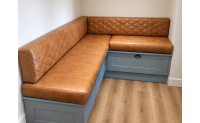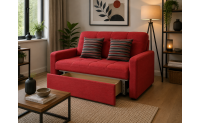
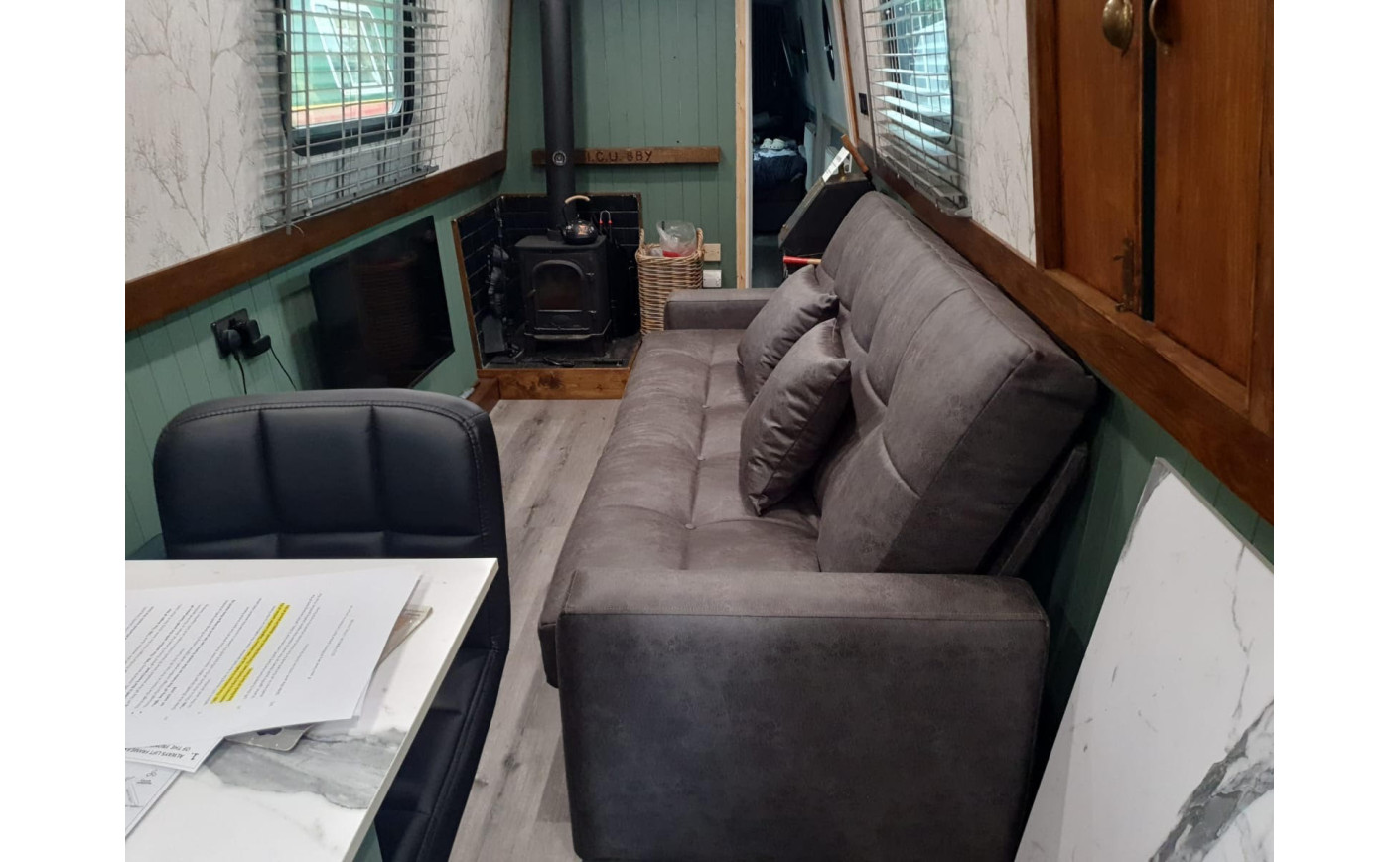
A spare room that also works as an office. A small lounge that still needs to welcome overnight guests. A box room, studio flat or narrowboat where every inch matters. These are exactly the situations where small sofabeds earn their keep. When you choose well, they do far more than squeeze a bed into a tight spot - they give you proper seating by day, a practical sleep space by night, and often extra storage too.
The trick is not simply buying the smallest model you can find. In compact rooms, the wrong sofabed can make daily life awkward even if it technically fits. Seat depth, arm width, mattress style and opening mechanism all affect how useful it feels once it is in place. A good small sofabed should save space without feeling like a compromise every time you sit on it or open it out.
Why small sofabeds suit modern homes
Many homes need one room to do two jobs. A guest room may also be where you work. A child’s bedroom may occasionally become sleep space for visiting family. A small sitting room might be the only place to put guests up. In those cases, a compact sofa bed gives you flexibility without forcing the room to become a permanent bedroom.
That matters even more in UK homes, where room sizes are often tighter than people expect on paper. A model that looks modest in a large showroom can feel bulky once it is up against a wall, near a radiator or opposite a door swing. Smaller-format sofabeds are often a better answer because they are designed around real-life space limits rather than broad, open-plan layouts.
There is also the question of value. If one piece of furniture can cover seating, sleeping and sometimes storage, it often makes more financial sense than buying separate items. For households trying to make the most of every room, that kind of practicality is hard to beat.
What to look for in small sofabeds
Size is the obvious starting point, but it is not the only one. The overall width matters, of course, yet the footprint when opened is just as important. Some sofa beds need clear floor space in front, while others fold down more neatly. Measuring both the closed and open dimensions helps avoid nasty surprises.
Comfort is where many buyers get cautious, and fairly so. Some compact models are built mainly to tick a box as an occasional bed, but they can feel thin or unsupportive. If the sofabed will be used regularly for guests, pay close attention to the mattress construction, seat support and sleeping surface. A deep-quilted mattress or a well-made foam base can make a real difference over a few nights.
The mechanism matters too. If you expect to open it often, choose something straightforward and sturdy rather than fiddly. A clic-clac or easy pull-out design can be ideal in smaller rooms because it keeps the process simple. If the bed is difficult to set up, people tend not to use it as intended.
Fabric choice is another practical point, not just a style one. In family homes, rented properties or busy multipurpose rooms, durability matters as much as colour. A good upholstery fabric should cope with everyday sitting, not just occasional use. If the room is compact, lighter shades can help it feel more open, but darker or textured fabrics may be kinder in high-traffic spaces. It depends on who uses the room and how often.
Small sofabeds for different rooms
A sofabed that works beautifully in one room may be wrong for another. That is why it helps to think about the job it needs to do before getting drawn into appearances alone.
In spare bedrooms and home offices
These rooms often need the neatest balance between comfort and compactness. You want the room to feel usable every day, not dominated by a bed that is only needed now and then. A smaller two-seater sofa bed or chair bed can work well here, especially if the room also needs a desk or storage unit.
If guests stay for more than a night or two, comfort becomes more important than shaving off the last few centimetres. A slightly larger compact model may serve the room better than an ultra-small option that feels temporary.
In lounges and family rooms
Here, seating comfort usually comes first. People sit in these rooms daily, so the sofa part has to stand up to proper use. Small sofabeds for lounges should feel like real sofas first, with the bed function ready when needed.
Storage can be especially useful in this setting. Built-in drawers or under-seat space give you somewhere to keep bedding without filling up cupboards elsewhere. In smaller homes, that extra bit of hidden storage often matters almost as much as the bed itself.
In flats, narrowboats and tight spaces
This is where specialist compact design comes into its own. Narrow access, awkward corners and reduced floor area all need careful planning. Slim arms, shorter lengths and practical opening actions can make the difference between a piece that works and one that becomes a daily frustration.
For these spaces, exact measurements are essential. It is not only about whether the sofabed fits the room, but whether it can be delivered through the property and opened comfortably once in position.
The trade-off between compact size and sleeping comfort
There is no point pretending every small sofabed offers the same sleeping experience as a full-size bed. A more compact footprint naturally limits mattress width and sleeping area. The key is choosing the right level of comfort for the way you plan to use it.
For occasional guests, many smaller sofa beds provide more than enough support and convenience. For frequent overnight use, it is worth investing in better mattress quality and a sturdier frame. If an adult will sleep on it regularly, avoid choosing purely on dimensions and price. A model that is slightly larger but significantly more comfortable may prove better value in the long run.
This is also where honest expectations matter. If the main aim is to host grandchildren, the requirements may be different from those for adult couples visiting over Christmas. The best choice depends on who will sleep on it, how often, and how much room you can realistically give it.
Why handmade, made-to-order can make a difference
When space is tight, details matter more. The width of the arms, the seat height, the fabric finish and the storage options all have a bigger effect than they might on a larger sofa. That is where handmade, made-to-order furniture often has an advantage over mass-produced alternatives.
A specialist in compact sofa beds usually understands that buyers are trying to solve a specific space problem, not simply furnish a room in the usual way. Being able to choose from a broad fabric range, request samples and focus on practical dimensions helps you get something that suits your home rather than forcing your home to suit the furniture.
At Sofabed Barn, that practical approach is central to the way compact models are designed and made. The aim is simple: useful seating, comfortable sleeping space and fair, reasonable prices, without wasting room on unnecessary bulk.
How to choose with confidence
Before you buy, measure the room properly and think about how you move through it. Check doorways, alcoves and the distance needed when the bed is open. Think about whether bedding needs to be stored nearby and whether the sofabed will be used once a year or every other weekend.
It also helps to picture ordinary use, not just guest use. Will someone sit there each evening? Will children clamber over it? Does the room need to feel tidy and spacious during the day? These questions often steer people towards a better choice than style alone.
If you are between two sizes, the smallest is not always the smartest. A compact sofabed should save space, but it should still feel generous enough to use comfortably. The right one makes the room more flexible and more liveable, rather than simply more crowded in a different way.
A well-chosen small sofabed gives you options, and that is what most homes need more of - not bigger furniture, just furniture that works harder.