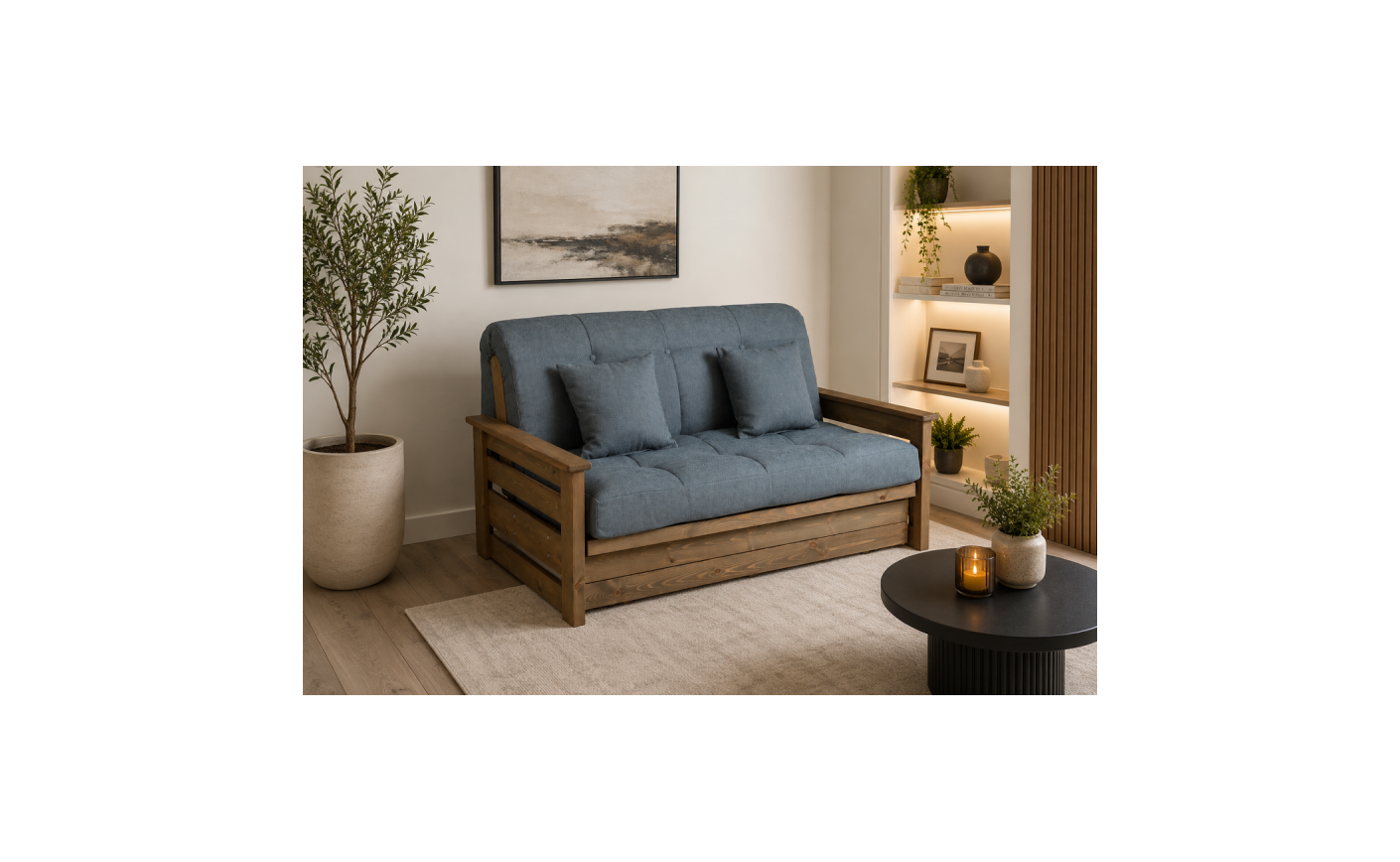
When a room has to work harder than it used to, futon sofa beds start to make a lot of sense. A spare room becomes a study, a living room doubles as a guest room, or a small flat simply needs furniture that earns its place. In those situations, a well-made futon is not just a backup bed. It is everyday seating, occasional sleeping space and a practical way to make a compact home feel more useful.
Why futon sofa beds still make sense
Futons have been around for years, but the reason people choose them has not really changed. They solve a simple problem. You want a proper place to sit, but you also need somewhere for guests to sleep without giving over a whole room to a full-size bed.
What makes them especially appealing in UK homes is their footprint. In smaller lounges, box rooms and spare bedrooms, a bulky sofa bed can dominate the space before it is even opened out. Futon sofa beds tend to be more compact and visually lighter, which helps a room feel less crowded.
There is also a straightforwardness to them that many buyers like. The mechanism is usually easy to understand, the shape is less fussy, and the conversion from sofa to bed is often quicker than on larger pull-out models. That matters when the furniture is being used regularly, not just once at Christmas.
Where futon sofa beds work best
The obvious place is a guest room, especially one that is not really only a guest room. If the room is mostly used as a home office, hobby room or children’s play space, a futon gives you seating day to day and a bed when needed.
They also work well in smaller living rooms where every inch counts. In a flat, terrace house or downsized home, a compact sofa bed can be the difference between a room that feels usable and one that feels overfilled. Futons are often a sensible choice for first homes too, because they offer good value without asking you to compromise on function.
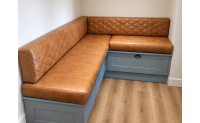
There are more specialist uses as well. Narrowboats, garden rooms and dinette-style spaces can all benefit from furniture that is compact, adaptable and easier to size into awkward layouts. In those settings, a large conventional sofa bed is often simply too deep or too heavy in appearance.
What to look for in futon sofa beds
Not all futons are built to the same standard, and this is where buyers can be caught out. A very cheap model may seem appealing at first, but if the frame feels flimsy, the mattress is thin or the seating support is poor, it will show its limits quite quickly.
The frame matters more than many people expect. A good futon should feel stable as a seat and dependable as a bed. If it creaks, flexes or feels light in the wrong way, that usually tells you something about its long-term durability.
The mattress is just as important. Some futons are fine for the occasional overnight guest but not much more than that. Others offer deeper, better-supported sleeping comfort that makes a real difference if friends or family stay often. If you know the bed will be used regularly, it is worth paying attention to mattress depth, quilting and how supportive it feels when laid flat.
Upholstery should not be an afterthought either. In a main living space, the futon has to look right in the room as well as work properly. Fabric choice affects both comfort and appearance, and it helps when there are enough colour options to make the piece feel like part of the home rather than a temporary fix.
Comfort depends on how you plan to use it
This is where it helps to be honest. Are you buying for occasional guests a few times a year, or will someone sleep on it every week? Will it sit in a second room, or be your main sofa in the lounge?
For occasional use, a simpler futon can be a very sensible buy. It gives you flexibility, keeps costs under control and avoids spending more than you need to. But if the piece will be used daily as seating, comfort becomes much more important. Seat depth, back support and cushion feel all matter far more when this is your main place to sit in the evening.
The same goes for sleeping comfort. A futon is often chosen because it is compact and practical, but there is still a difference between a bed that guests tolerate and one they genuinely sleep well on. If you have the room and budget, a more substantial handmade model can be better value over time than replacing a cheaper one after a short spell.
Storage can make a good choice even better
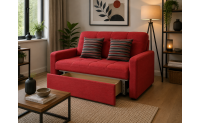
In smaller homes, storage is rarely a bonus. It is part of the decision. Some futon sofa beds come with [built-in drawers or under-seat storage](https://www.sofabedbarn.co.uk/home/15-629005-clio-with-storage.html#, which can make a real difference in a guest room or family home.
Extra bedding, pillows, throws or even children’s toys can all be kept close at hand without needing another piece of furniture in the room. That helps the space stay tidier and more flexible. If you are furnishing a box room or compact spare room, built-in storage can save you from squeezing in an extra chest or cupboard later.
That said, storage should not come at the expense of comfort or ease of use. A futon still needs to convert simply and feel solid day to day. The best designs manage to do both without becoming bulky.
Handmade versus mass-produced
There is a clear difference between furniture made to hit the lowest possible price and furniture made with regular home use in mind. Mass-produced futons can be fine for short-term needs, student lets or very occasional use, but they often offer fewer fabric choices, simpler mattresses and less reassuring build quality.
Handmade to order models tend to give you more control over the final piece. That might mean choosing a fabric that suits your room, selecting a more supportive mattress, or opting for storage where it is genuinely useful. It also means the furniture is being made for your order rather than pulled from warehouse stock with limited options.
For many buyers, that middle ground is the sweet spot - practical furniture, made with care, at a fair and reasonable price. That is particularly true when you need something compact and multi-functional, because size and detail matter more in smaller rooms.
Measuring properly saves a lot of trouble
One of the most common mistakes with futon sofa beds is measuring for the sofa position but not for the bed position. A piece may fit nicely against the wall, then leave too little clearance once opened out.
It helps to measure the width, depth and full open length, then think about how people will move around it. Doorways, radiators, skirting boards and nearby furniture can all affect how easy the room feels once the futon is in place.
If the room is very compact, look closely at arm width and overall depth. Two futons can offer similar seating space but have very different outer dimensions. In small homes, those differences matter.
Style matters, but practicality should lead
A futon does not need to look basic. With the right upholstery and proportions, it can sit comfortably in a modern lounge, a family spare room or a more traditional home. Neutral fabrics are often a safe choice, but richer colours can work well too if the piece is meant to feel more permanent.
Still, it is wise not to choose on looks alone. A slim, tidy design may suit the room beautifully, but if it is not comfortable enough to sit on for an evening or sleep on when guests arrive, the appeal fades quickly. The best choice is usually the one that balances appearance with honest everyday use.
For buyers who want dependable, space-saving furniture without overcomplicating the process, specialist makers such as Sofabed Barn can be a better fit than general furniture retailers. A narrower focus often means more practical sizes, clearer product knowledge and options designed around real space constraints rather than showroom scale.
Are futon sofa beds good value?
In many cases, yes. They give you two functions in one piece of furniture, which is often the smartest use of a budget in a smaller home. They can also postpone or remove the need for a dedicated guest bed, which frees up both money and floor space.
The key is to think in terms of value rather than simply lowest price. A futon that lasts well, feels comfortable and suits the room properly is usually the better purchase. A bargain that looks tired after a short time or proves awkward to use is rarely a saving in the long run.
A good futon should make the room easier to live with. It should let you host guests without fuss, sit comfortably through everyday use and fit the space without making compromises feel obvious. That is the real appeal - not just that it folds out into a bed, but that it helps a home do more with the space it already has.
If you are choosing one for a small room, start with how the room needs to work, not just how the furniture looks. Get that right, and a futon can quietly become one of the hardest-working pieces in the house.