A spare room that also works as an office. A small lounge that occasionally needs to sleep guests. A flat where every inch has to earn its keep. This is exactly where a compact sofabed makes sense - not as a compromise, but as a practical piece of furniture that solves two problems at once.
The trick is choosing one that is genuinely compact, comfortable to sit on, and realistic to sleep on. Plenty of sofa beds look neat in a photo, but the details matter more in real homes. Seat depth, arm width, opening space, mattress support and even where the mechanism moves can all decide whether a model works well or becomes a frustration.
What makes a compact sofabed truly useful?
Compact does not simply mean small. It means the dimensions are used well. A well-designed compact sofabed gives you proper seating and a usable sleeping area without wasting width on bulky arms or unnecessary depth. In smaller homes, that balance is often more important than chasing the biggest bed size possible.
This matters because two sofa beds with similar external measurements can perform very differently. One may offer better seat comfort but a tighter sleeping space. Another may open out more efficiently and suit a narrow guest room better. It depends on how the room is used most of the time.
For many households, the best compact models are those designed for occasional sleeping but regular sitting. If the sofabed lives in a lounge, snug or study every day, comfort in sofa mode should carry real weight. If it is mainly for guests in a box room, the sleeping arrangement may matter more than lounge-style seating.
Choosing a compact sofabed for the room you have
Before looking at fabrics or styles, measure the room properly. Not just the wall where the sofa will sit, but the clear floor space needed when it opens. This is where many buyers get caught out. A compact footprint when closed does not always mean compact when extended.
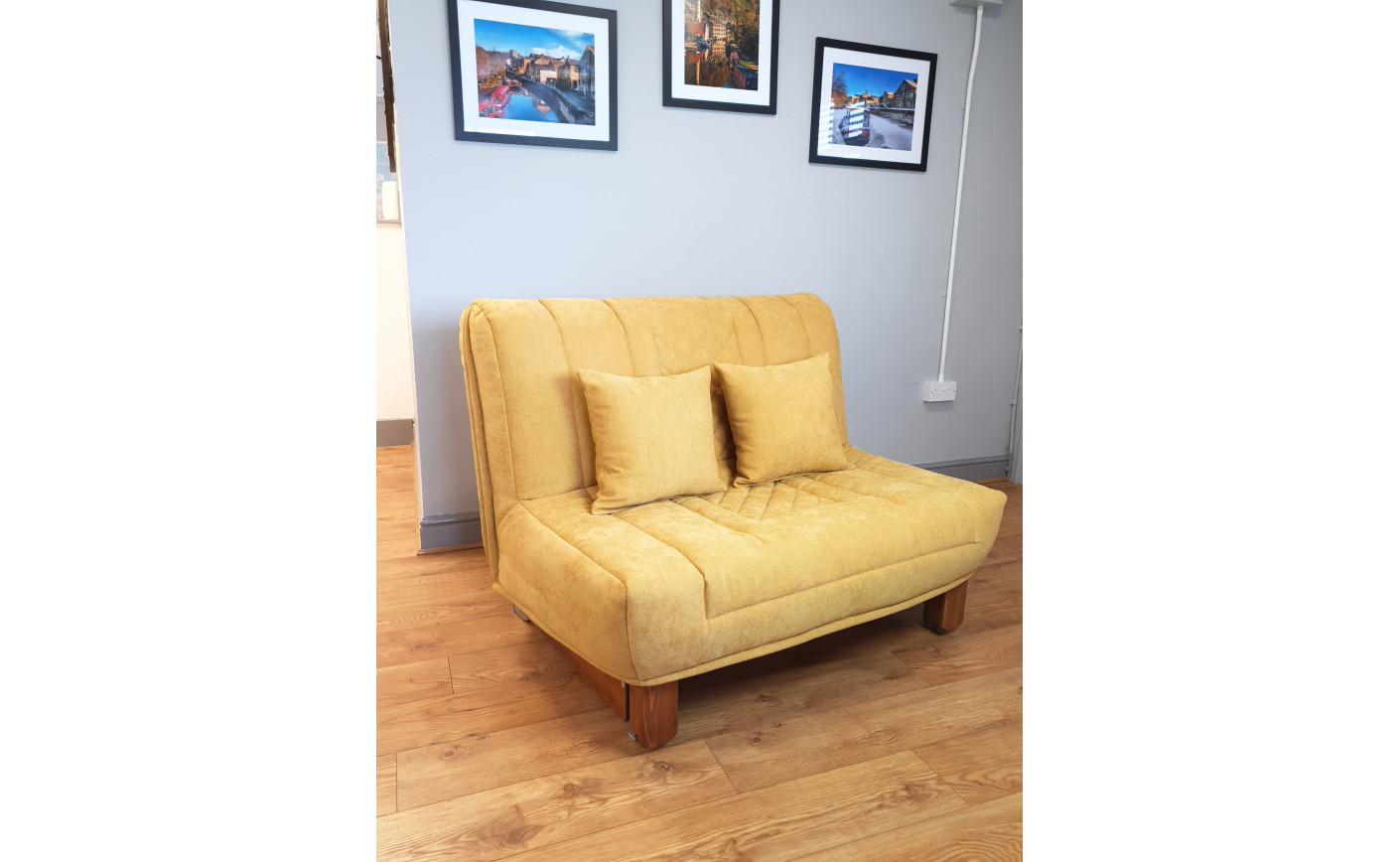
In a small bedroom, a clic-clac or fold-down design can work well because the mechanism is straightforward and often needs less fiddling. In a lounge or family room, a pull-out model may suit better if you want a more sofa-like look. Chair beds are also worth considering where width is very tight but you still want an occasional sleeping option.
Doorways, stair access and awkward corners matter too. In older terraces, loft conversions and flats, getting furniture into the room can be half the battle. Handmade, made-to-order furniture often gives more flexibility in sizing, which can make a real difference in homes where standard sizes feel just a bit too large.
Small room layouts need honest measurements
A tape measure is more useful than any product description. Measure width, depth and height, then measure the opening area in front. Leave enough room for people to walk around it when in bed mode, especially if it will be used by older relatives or frequent guests.
Think about nearby furniture as well. Coffee tables, desks, radiators and shelving can all interfere with opening mechanisms. A compact sofabed should simplify the room, not force you to rearrange everything each time someone stays over.
Comfort matters more than clever mechanisms
A sofa bed can have a smart mechanism and still feel disappointing. What most people notice first is comfort - how supportive the seat feels, whether the back cushions hold their shape, and whether sleeping on it feels stable rather than makeshift.
For occasional guests, a well-supported sleeping surface is usually enough. For more regular use, you will want to look more closely at mattress construction, quilting and the way the bed base supports weight. A deep, well-made mattress can make a significant difference, but so can the frame beneath it.
Seat comfort is just as important. If the sofa is used every evening, a compact model should still feel inviting to sit on. There is always some trade-off in smaller furniture, but good design keeps that trade-off sensible. You should not feel as if you are perching simply because the sofa is space-saving.
Compact does not have to mean cramped
This is where proportions matter. Slimmer arms can free up seat width. A well-shaped back can support you without making the whole piece too deep. Firmer cushioning can help a compact sofa feel more practical and supportive, especially in rooms where it will be used daily.
For households with children, visiting grandchildren or regular overnight guests, durability also deserves attention. Upholstery should stand up to everyday life, not just look tidy for the first few months.
Should your compact sofabed include storage?
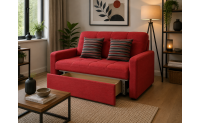
In smaller homes, storage often tips a good purchase into a very useful one. Built-in storage can hold bedding, spare pillows or seasonal throws, which means the sofabed becomes a more complete solution rather than another item that creates more clutter.
That said, storage can slightly affect design and proportions. Some buyers are happy to give up a little visual lightness for the convenience of hidden space. Others prefer the smallest possible footprint and store bedding elsewhere. There is no single right answer - it depends on what your home lacks most.
If the room has very limited cupboard space, built-in storage is often worth having. In guest rooms, it can keep everything together and ready to use. In a main living room, it helps avoid the familiar problem of spare duvets ending up in wardrobes that are already full.
Fabric, finish and everyday practicality
A compact sofabed works hard, so the upholstery choice needs to work hard too. Fabric is not just about colour. It affects how the furniture wears, how warm or soft it feels, and how easy it is to live with over time.
For busy family homes, hard-wearing fabrics in practical mid-tones are often the safest choice. Lighter shades can look fresh and spacious, but they may need more upkeep if the room gets heavy use. Darker colours can feel grounding and forgiving, though in a very small room they may look heavier.
This is also where made-to-order options are valuable. Being able to choose a fabric that suits your room, rather than settling for one or two standard finishes, helps a compact piece feel intentional rather than temporary. That matters in smaller homes, where every item tends to be noticed more.
When a compact sofabed is the better choice than a full sofa bed
Not every home needs a large pull-out bed hidden inside a three-seater sofa. In fact, many people are better served by a smaller, simpler design. If guest stays are occasional and the room is tight, a compact model can be the more sensible buy.
It usually costs less, fits more easily, and keeps the room usable day to day. This is especially true in spare bedrooms, home offices, garden rooms and narrow spaces where a standard sofa bed would dominate the layout.
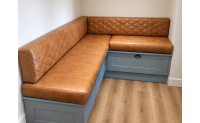
Specialist spaces are another good example. Narrowboats, dinette seating areas and small annexes often need furniture built with very specific dimensions in mind. In these settings, a compact sofabed is not just convenient - it is often the only practical way to combine seating and sleeping without wasting space.
What to look for before you buy
Start with the basics: external dimensions, sleeping dimensions and opening clearance. Then look at how the sofabed will actually be used in your home. Is it for weekend guests, a teenager's room, an office that doubles as a spare room, or a main sitting area?
After that, focus on build quality and comfort. Handmade UK production can be a real advantage here, especially when you want dependable workmanship, sensible sizing and a piece that feels built for normal family life rather than showroom styling.
It is also worth checking the practical side of the buying process. Fabric samples, honest delivery information and the option to ask questions before ordering all help you buy with more confidence. A sofa bed is not a small purchase, and the right guidance can save disappointment later.
For many buyers, this is where a specialist retailer earns its place. Sofabed Barn, for example, focuses on smaller-format sleeping furniture rather than treating sofa beds as an afterthought, which is often exactly what you want when space is limited and every detail matters.
The best compact sofabed is the one you will use happily
A good compact sofabed should feel easy to live with. It should fit the room without making it feel crowded, offer comfort without fuss, and give guests a proper place to sleep when needed. That may mean choosing storage over extra width, or prioritising sofa comfort over a larger bed. It depends on your home and how the room works day to day.
The most satisfying choices are usually the honest ones. Measure carefully, think about how often it will be used, and choose a design that suits real life rather than an idealised layout. When you get that right, a compact sofabed does more than save space - it makes the whole room work harder and feel better.