A sofa bed works harder than most pieces of furniture. It may be the main seat in a small lounge, a reading spot by day and a proper bed for guests by night. That is why the fabric vs faux leather decision is about far more than appearance. The right upholstery needs to feel comfortable for everyday sitting, suit the room and stand up to the way your household actually lives.
Fabric vs faux leather for everyday comfort
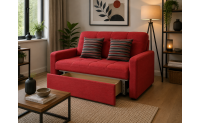
For many homes, fabric is the easy choice because it feels warm, soft and inviting straight away. On a chilly morning, a fabric sofa bed does not have the cool surface feel that faux leather can have. It also tends to feel less slippery when you are sitting back with a book, watching television or settling children down for a film.
Fabric is particularly well suited to rooms where the sofa bed will be used as the main seating. A woven upholstery can add a relaxed, homely finish to a spare room, flat or family lounge, while textured fabrics often disguise the small signs of everyday use better than a smooth surface. There is also a practical comfort benefit when the sofa bed is opened for guests: fabric can feel more breathable against the skin, especially in warmer weather.
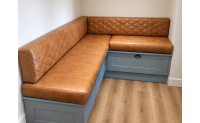
Faux leather has a different kind of appeal. It is smooth, smart and often gives a compact sofa bed a neat, tailored look. It can be a good choice for a modern study, a narrowboat interior or a dining-style seating area where a wipe-clean finish is useful. However, it may feel cooler in winter and warmer in summer, so it is worth thinking about whether the sofa bed will be slept on often or mainly used for occasional visitors.
Neither option is automatically more comfortable. The mattress, seat filling and frame all matter far more to sleep quality. But upholstery changes how welcoming the sofa bed feels every day, which matters when space is limited and one piece of furniture has several jobs to do.
The look of fabric and faux leather
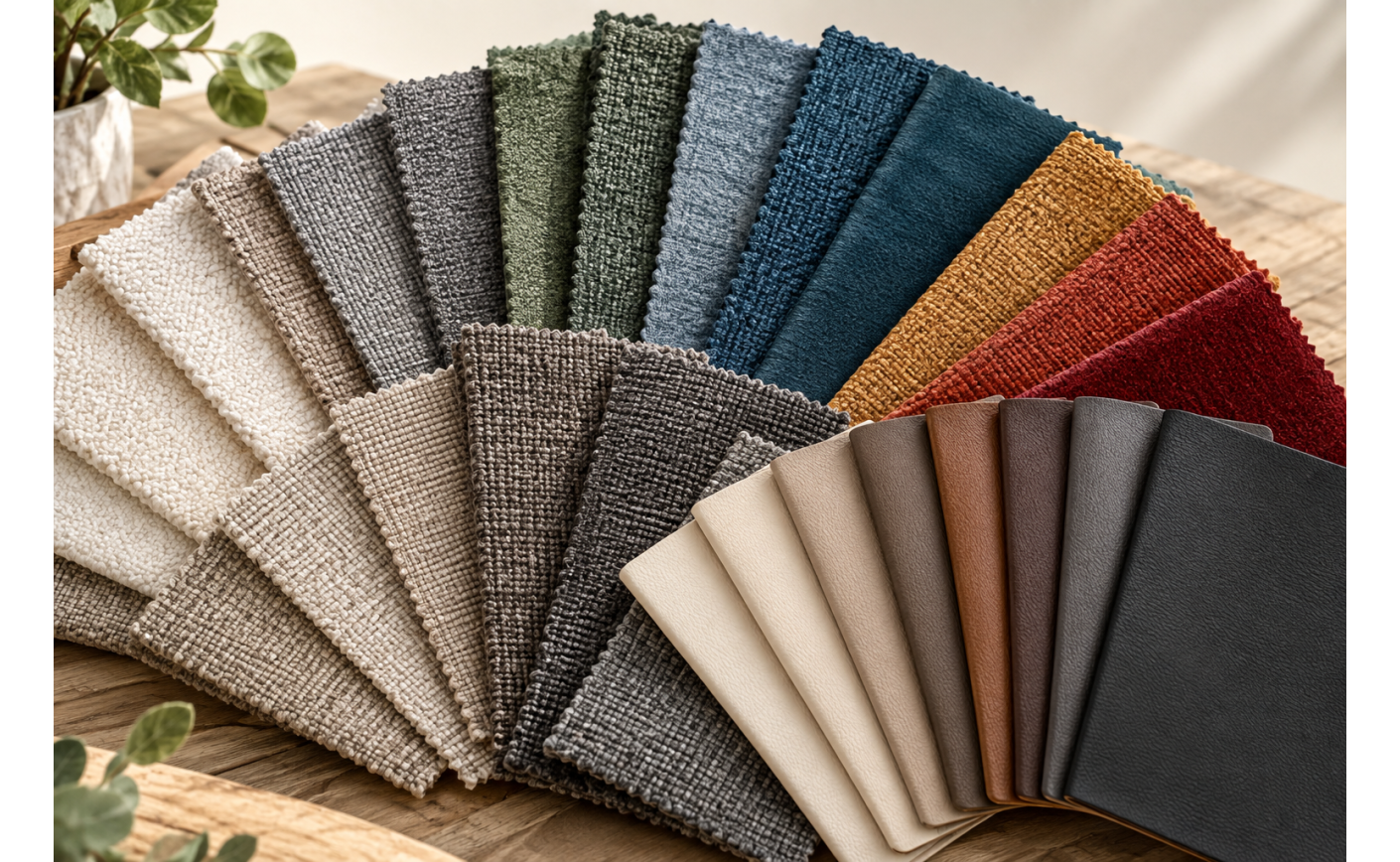
Fabric usually gives you more freedom to make a sofa bed feel like part of your home rather than a purely practical purchase. From calm neutrals and soft greys to richer colours and subtle patterns, fabric choices make it easier to match existing curtains, carpets and cushions. A compact sofa bed can blend into a bedroom or lounge rather than dominate it.
This is especially helpful in dual-purpose rooms. A home office that becomes a guest room, for example, often benefits from an upholstered chair bed or small sofa bed in a fabric that feels domestic rather than office-like. In a small room, a lighter colour can help the furniture sit more quietly, while a deeper tone may be better at concealing marks in a busy family home.
Faux leather is often chosen for its clean, structured appearance. It can look tidy with minimal styling and works well where you want a more contemporary or practical finish. Dark brown, black, charcoal and cream faux leather can suit certain interiors very well, but the colour range and texture choices are usually more limited than fabric. A large expanse of shiny faux leather can also feel visually heavier in a compact room, so a matt or lightly textured finish is often the more forgiving option.
Cleaning, children and pets
This is where faux leather has an obvious advantage. Most fresh spills can be wiped away promptly with a soft damp cloth, making it useful around young children, snack-time messes or muddy paws. It is also a sensible consideration for dinette seating and narrowboat cushions, where practicality often takes priority and cleaning space may be limited.
That said, wipe-clean does not mean maintenance-free. Faux leather should be cleaned gently and according to the care guidance for the particular material. Strong household cleaners, abrasive cloths and repeated scrubbing can damage the finish. It is also worth remembering that pens, dye transfer from dark denim and pet claws can mark a smooth surface more noticeably than you might expect.
Fabric needs a little more thought, but it is not automatically difficult to live with. Many upholstery fabrics are designed for regular household use, and a good mid-tone or textured weave can be remarkably forgiving. Vacuuming the sofa bed regularly helps remove dust and crumbs before they work into the fibres. For spills, acting quickly is usually the key: blot rather than rub, then follow the recommended cleaning method.
If pets regularly jump on the furniture, consider their habits rather than simply choosing the material labelled easiest to clean. Claws can catch on loosely woven fabric, yet they may also scratch faux leather. A close, durable weave in a practical colour is often the best middle ground for a well-used family sofa bed.
Durability depends on quality and use
It is tempting to assume faux leather will always last longer because it has a protective-looking surface. In reality, quality makes a significant difference. Lower-grade faux leather can eventually crack, peel or split, especially on seat edges and areas that flex repeatedly. Sofa beds have moving mechanisms and folding sections, so the upholstery needs to cope with regular changes in position as well as sitting.
A good-quality fabric can give years of service, particularly when it is chosen to suit the level of use. Tightly woven, hard-wearing upholstery is often the practical choice for a main sofa bed, while a more delicate fabric may be better reserved for occasional seating. Fabric can also show wear in different ways, such as slight flattening on favourite seats or piling on some materials, but these effects are often less sudden than surface peeling.
The best approach is to match the covering to the job. For a spare bedroom sofa bed opened a few times a year, either material may work very well. For a sofa bed used every evening and regularly slept on, choose a durable upholstery and give as much attention to the frame, mechanism and mattress as you do to the finish.
Think about the room before choosing
A small flat lounge, a guest room and a narrowboat cabin all place different demands on furniture. In a compact lounge, fabric often brings softness to a room that may already contain hard surfaces such as flooring, tables and storage units. In a dining nook or boat interior, faux leather may earn its place through easy cleaning and a crisp finish.
Also consider where the sofa bed sits. Furniture next to a radiator, sunny window or conservatory door will experience more heat and light than a sofa bed in a shaded bedroom. Both fabric and faux leather can fade or change over time when exposed to strong sunlight, so positioning matters. Leaving a little space around the sofa bed also helps when it is time to pull it out and gives the upholstery a better chance of avoiding knocks and scrapes.
For made-to-order furniture, fabric samples are worth requesting before you commit. Look at them in the actual room during daylight and under your usual evening lighting. Place the sample beside your flooring, wall colour and existing furniture. More importantly, touch it. A colour may look right on a screen but feel too rough, too smooth or too formal once it is in your hand.
At Sofabed Barn, choosing an upholstery is part of creating a space-saving solution that works for your home, not just a colour choice made at the end of an order. A compact sofa bed should fit the room, suit the people using it and remain easy to live with long after delivery day.
If you want the broadest choice of colour, a warmer feel and a relaxed look, fabric is likely to be the stronger option. If quick wipe-down cleaning and a sleek surface matter most, faux leather may suit you better. Choose the one that makes everyday living easier, then enjoy a sofa bed that is ready whenever your room needs to change.