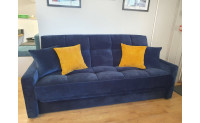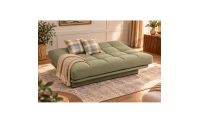
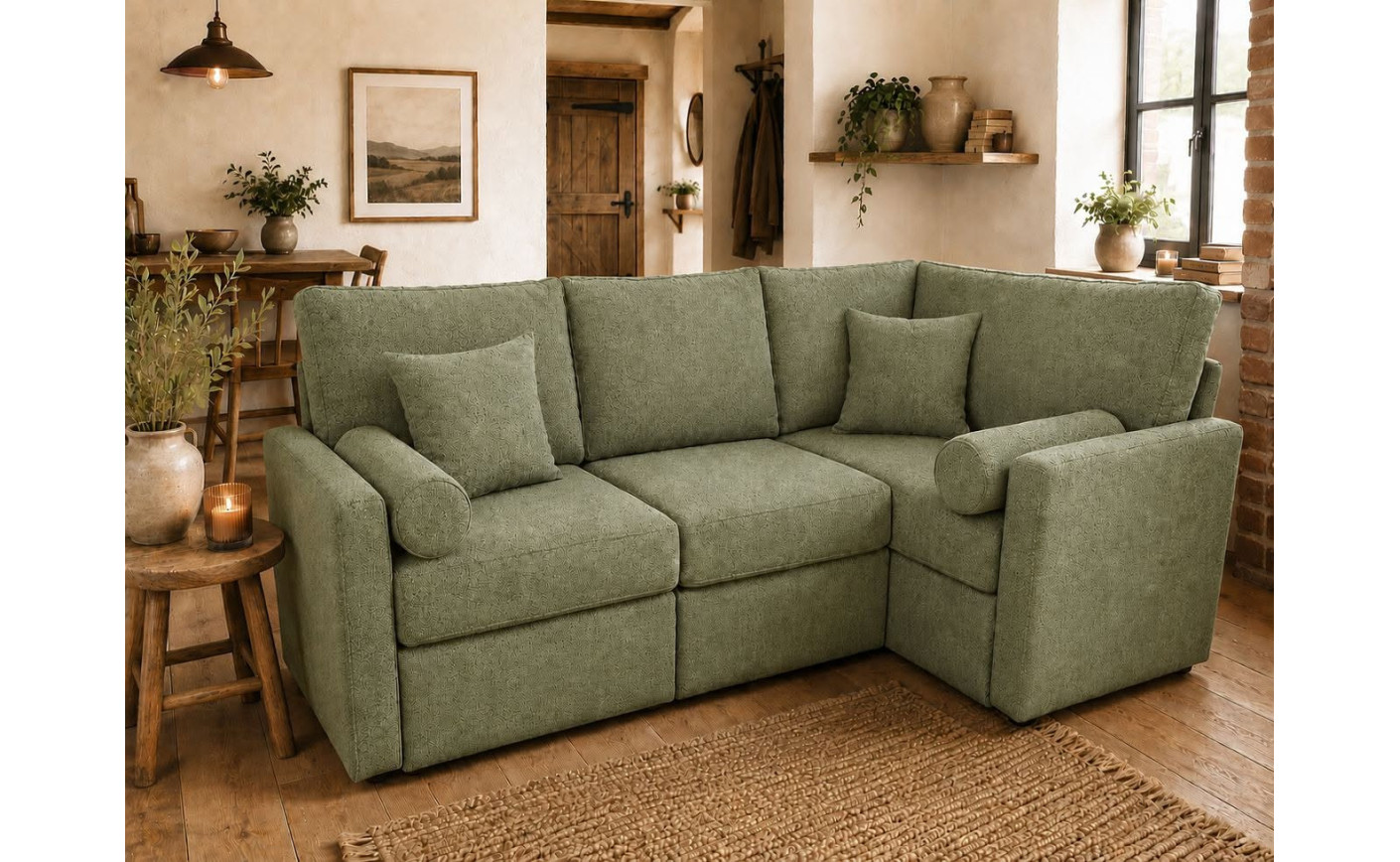
The spare room that holds a desk, the lounge that becomes a guest bedroom and the narrowboat dinette with nowhere for spare bedding all need furniture to earn its place. Storage seating brings together a comfortable seat and a useful place to keep the things that would otherwise fill cupboards, corners and under-bed space.
For smaller homes, this is not simply a neat extra feature. Good storage can make a room easier to live in day to day, while a well-made sofa bed or chair bed means it is still ready when family or friends stay over. The key is choosing a design that suits how the room is actually used, rather than buying the biggest storage compartment available.
Why storage seating makes sense
Living space has a habit of collecting jobs. A spare bedroom may need to work as a home office for most of the week. A family lounge may need a proper guest bed at short notice. In a flat, there may be no separate place for extra duvets, children’s toys or the pile of cushions that appears when a sofa bed is opened.
A seat with built-in storage keeps these items close to where they are needed. Bedding can stay with the sofa bed, for example, rather than taking up a wardrobe elsewhere in the house. This makes setting up for overnight guests quicker and helps the room look calmer once everything is put away.
There is also a practical comfort benefit. When storage is built into the furniture footprint, you are less likely to need a separate chest, blanket box or extra shelving unit. That can preserve valuable walking room in a compact lounge or guest room.
Choosing storage seating for the room you have
The right option depends on the available dimensions, access around the furniture and the main job it needs to do. It is worth measuring more than the clear patch of floor where the seat will sit. Allow for doors, radiators, skirting boards and the room needed to open drawers or convert a sofa into a bed.
Ottoman-style storage for bulky essentials
Ottoman storage sits beneath a lift-up seat base. It is particularly useful for larger, softer items such as duvets, pillows, throws and spare bed linen. Because the compartment is accessed from above, it can work well where there is little side clearance for drawers.
This style is often a sensible choice for a sofa bed in a spare room or small lounge. Keep in mind that you need to clear the seat before lifting the base, so it may be less convenient for items you reach for several times a day. It is best for belongings that need a home but do not need to be constantly at hand.
Drawer storage for everyday access
Drawers are a good fit when storage needs to be easy to reach without disturbing the cushions. They can be useful in a family room for toys, books, charging leads or occasional bedding, depending on the size and layout of the design.
The trade-off is clearance. A deep drawer needs space in front of the seating to open fully, which can be difficult in a narrow room. Before ordering, check the drawer direction as well as its dimensions. A storage solution only helps if you can use it comfortably once the furniture is in place.
Bench and dinette seating for awkward spaces
Built-in-feeling bench seating is especially helpful in dining nooks, bay windows, narrowboats and other areas where standard sofas waste space. Storage beneath the cushions can turn an otherwise awkward run of wall into practical seating with room for supplies, linens or seasonal items.
For these spaces, made-to-order dimensions and cushions can make a real difference. A few centimetres can decide whether a seat blocks a walkway or fits neatly into the room. Consider seat depth carefully too: a very shallow bench saves space, but it may not be comfortable for long meals or relaxed evenings unless the back cushions provide enough support.
Do not compromise on the seat itself
Storage is valuable, but it should not come at the expense of comfort. If the furniture is used every day, start with the quality of the seating, support and upholstery. Storage should be an added benefit, not the only reason to choose a model.
For a sofa bed, think about both versions of the product: how it feels to sit on and how it performs as a bed. A compact footprint is ideal for a small room, but it still needs supportive cushions and a sleeping surface suitable for the frequency of use. For occasional guests, a well-designed pull-out or clic-clac mechanism may be ideal. If someone will sleep on it regularly, mattress depth, quilting and the way the bed supports the body deserve closer attention.
Opening mechanisms matter as well. A simple mechanism is usually the best choice in a busy household, particularly if one person will be converting the sofa alone. Ask yourself whether the bedding can remain stored inside when the bed is folded away, and whether the furniture can be opened without moving a coffee table every time.
What should you store inside?
It is tempting to fill every inch of a storage base, but the most useful contents are the ones connected to the furniture’s purpose. A sofa bed compartment is ideal for guest bedding. A hallway bench may hold scarves and bags. A family-room chair bed could keep a spare blanket, children’s books or board games nearby.
Avoid storing anything damp, very heavy or rarely checked at the bottom of an enclosed compartment. Keep bedding clean and fully dry before putting it away, and use breathable storage bags if needed. It is also wise not to pack the space so tightly that the lift-up base or drawer becomes difficult to operate.
For a sofa bed used by guests, a simple set-up stored together can save time: fitted sheet, duvet, pillows, pillowcases and a lightweight throw. The room can change from everyday seating to a welcoming guest space without a hunt through several cupboards.
Fabric, colour and everyday care
In a small room, the furniture often becomes a major visual feature, so its fabric choice matters. A mid-tone neutral can be forgiving in a family home and easy to live with alongside changing décor. Softer shades can help a compact guest room feel lighter, while deeper colours may suit a busy lounge or specialist seating that sees regular use.
Practical upholstery does not have to look plain. Ordering fabric samples first lets you see the colour in your own light and compare textures with flooring, curtains and wall colours. This is particularly worthwhile when a sofa bed, chair bed or dinette seat is being made to order.
Think about who will use the seating. Households with young children, pets or frequent visitors may prefer a durable fabric and a colour that is less likely to show everyday marks. A more delicate fabric may still work in a lightly used guest room, but it needs to suit real life rather than just the showroom look.
A quick measurement check before ordering
Before choosing storage seating, take a few minutes to confirm the practical details:
- Measure the width, depth and height of the available space, including skirting boards and radiators.
- Measure doorways, hallways and stair turns so delivery access is straightforward.
- Mark out the furniture’s open-bed or open-drawer position with tape on the floor.
- Check that nearby doors, cupboards and walkways will still work as they should.
These checks are simple, but they prevent the common disappointment of a piece that technically fits the room yet makes it harder to use.
Handmade seating built around real homes
For compact homes, standard furniture sizes are not always the answer. A handmade piece can offer the proportions, fabric and storage arrangement that make a small room feel properly planned rather than squeezed. Sofabed Barn focuses on practical, smaller-format seating and sofa beds that are made for this sort of flexible living, from occasional guest spaces to narrowboat and dinette seating.
The best choice is usually the one that makes everyday routines easier. Choose storage you can reach, seating you genuinely enjoy using and a bed conversion that will not feel like a chore when the doorbell rings. When those details are right, one carefully chosen piece of furniture can give a small room far more room to work.