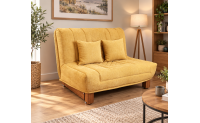
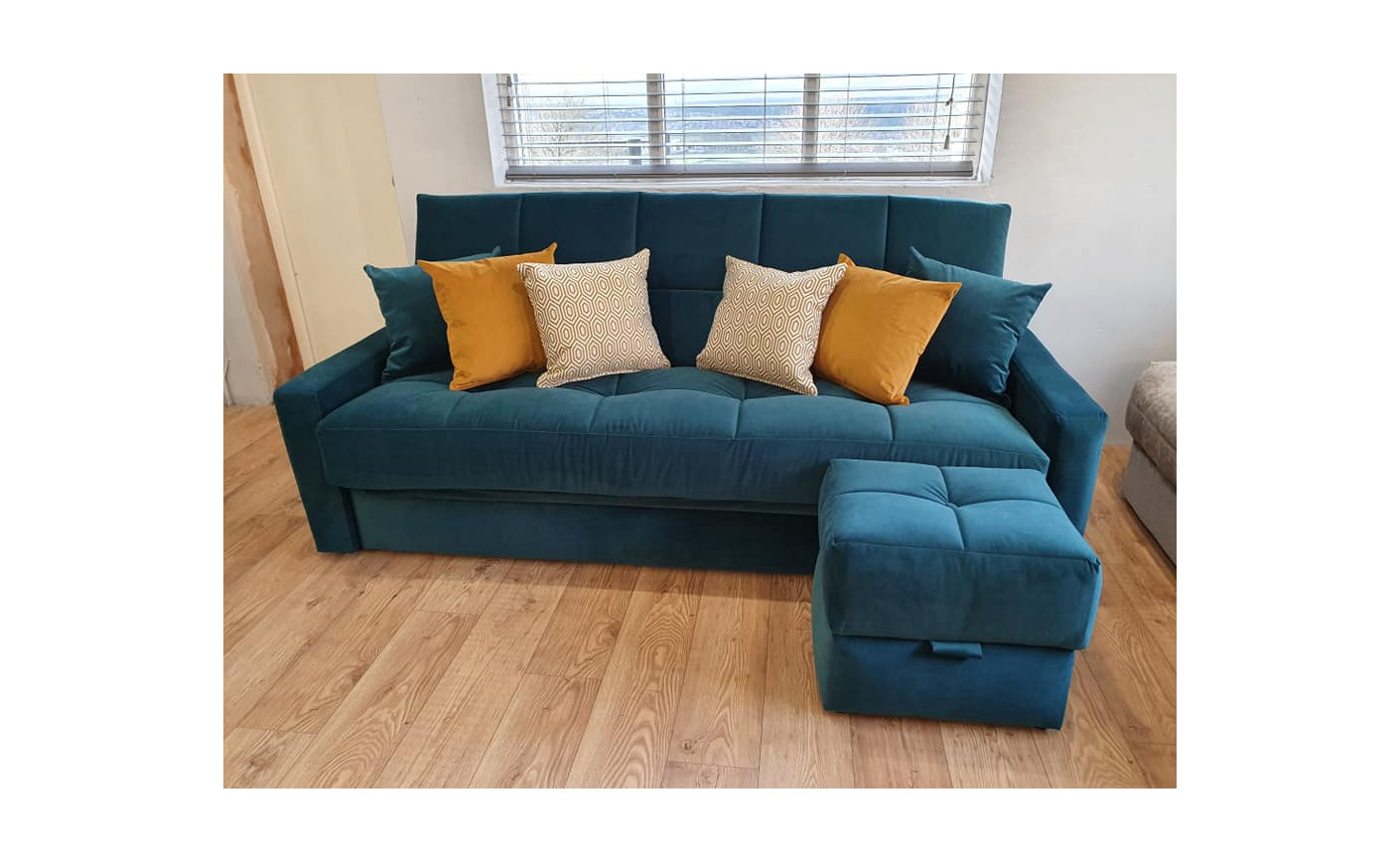
A sofa bed used once or twice a year can get away with a thinner mattress and a simpler mechanism. A daily sleeping sofa bed has a much harder job. It needs to be a comfortable place to sit every day, then provide proper support night after night without taking over a small room.
That is why the best choice is rarely the biggest sofa or the cheapest bed mechanism. For a flat, spare room, compact lounge or dual-purpose family space, the right model is the one that fits your room properly and feels reliable in both forms. Getting the details right before ordering makes a real difference to everyday comfort.
What makes a sofa bed suitable for daily sleeping?
The first question is simple: would you be happy sleeping on the bed every night? If the answer depends on adding extra cushions, a mattress topper and a fair amount of patience, it is probably better suited to occasional guests.
A daily-use model needs a supportive sleeping surface, a stable frame and a mechanism that is easy to operate. Comfort comes from the whole construction, not just the mattress. A well-made base helps prevent the feeling of bars, gaps or uneven support beneath you, while a good mattress helps your body settle naturally through the night.
Look closely at the stated sleeping dimensions too. A compact sofa bed can be an excellent space-saving solution, but it still needs to suit the person using it. A child, teenager or occasional guest may be comfortable on a narrower bed than an adult who will sleep there every night. Measure the sleeping area, not only the sofa when folded.
It is also worth thinking about who will open it. A pull-out mechanism, clic-clac design or folding futon can all work well, but the best option depends on the room and the person using it. A mechanism should feel straightforward rather than stiff or awkward. Daily use soon exposes anything that is fiddly.
Choose comfort for both sitting and sleeping
A sofa bed often sits at the centre of a room, so daytime comfort matters just as much as the bed itself. If it is going in a lounge, you may use it for reading, watching television, working from home or family time before it becomes a bed at night.
Seat depth is one of the most overlooked details. A deep seat can feel relaxed and generous, but it may not suit a narrow room or anyone who prefers a more upright sitting position. A compact model with supportive cushions can be more comfortable in real life because it leaves enough room to move around it.
For sleeping, consider the feel you prefer. Some people like a firmer, more supportive surface, while others want more cushioning. Neither is automatically better. The important thing is that the mattress and base work together to support you evenly. Deep-quilted mattresses can add welcome comfort for regular use, particularly where the sofa bed will replace a conventional bed in a small home.
If possible, try the mechanism and sit on the sofa before making a final decision. A showroom appointment gives you the chance to see how it opens, assess the seat height and judge the fabric in person. Ordering fabric samples is also useful, especially when matching existing flooring, curtains or painted walls.
Measure the room twice
A daily sleeping sofa bed must fit when it is closed and when it is open. This sounds obvious, but many people measure only the wall where the sofa will sit. The open bed length, access around it and route through the room matter just as much.
Start with the closed dimensions, including arm width. In a smaller lounge or box room, narrow arms can save valuable space without making the seating feel mean. Then mark out the open bed footprint on the floor with masking tape or sheets of newspaper. This quickly shows whether there is enough room to walk around the bed, open a door or reach a wardrobe.
Do not forget the delivery route. Check hallways, staircases, tight turns and door widths, particularly in older properties, converted flats and narrowboats. Made-to-order compact furniture can solve difficult spaces brilliantly, but accurate measurements are the foundation of a successful purchase.
Leave room for the everyday essentials
The bed may fit, but the room still needs to work. Think about bedside lighting, somewhere for a mobile phone or glass of water, and a clear route to the bathroom. In a guest room that doubles as an office, consider where a desk chair, storage unit or laundry basket will go when the sofa bed is open.
This is where built-in storage can be especially useful. Storage drawers or compartments can keep bedding, pillows and throws close at hand, saving you from finding space in an already full airing cupboard. It also makes the evening changeover quicker, which matters when the sofa bed is used every night.
Pick the mechanism to suit your routine
There is no single best mechanism for every home. The right choice depends on how much room you have, how often the bed will be opened and what type of seating you prefer.
A clic-clac sofa bed is often a practical choice for compact rooms. The back folds down to create the bed, so there are fewer moving parts and no separate mattress to store. It can be quick to convert, although the sleeping surface may be lower than a traditional bed.
A pull-out sofa bed can offer a more familiar bed layout and, depending on the design, a more substantial mattress. It is often a good option for a spare room or lounge where the sofa needs to look and feel like a conventional piece of upholstered furniture during the day. Bear in mind that it may need more clear floor space in front when opened.
Futon sofa beds are another strong option for simple, flexible living. Their straightforward construction can suit smaller rooms well, and many people appreciate the firmer feel. As with any sofa bed, check the mattress depth and support carefully if it will be used every night rather than for visiting family.
A chair bed is worth considering where a full sofa would crowd the room. It can provide a useful single bed in a study, child’s room or small guest space, while taking up far less room in daily use.
Fabric and finish are practical decisions too
The fabric you choose has a large impact on how your sofa bed performs over time. It needs to suit the look of your home, but it should also be realistic about daily life. A pale, delicate fabric may be right for a quiet guest room, while a busy family lounge may benefit from a more forgiving colour or texture.
Think about pets, children, food, jeans and sunlight. Mid-tone fabrics often hide everyday marks better than very pale or very dark shades, while a textured weave can be more forgiving than a completely smooth finish. If the sofa bed sits near a window, ask about the suitability of the fabric in bright rooms.
Handmade-to-order furniture gives you more choice than buying straight from a warehouse shelf. You can select a colour and finish that feels at home in your room rather than settling for whatever happens to be available. At Sofabed Barn, fabric samples are a sensible first step because colours can look very different under your own lighting.
Do not judge value by the price tag alone
A low-priced sofa bed may seem tempting, especially when furnishing a first flat or converting a spare room. But if it is used every night, comfort, durability and ease of use deserve more weight in the decision. Replacing an uncomfortable model after a short time is rarely good value.
Look for clear information about the frame, mattress, mechanism and overall dimensions. Ask how the bed is intended to be used and be honest about your plans. A sofa bed for a few holiday weekends is not the same purchase as one that will be slept on 365 nights a year.
A well-chosen daily sleeping sofa bed can make a small home feel more flexible rather than more crowded. Choose one that supports proper rest, fits the room with ease and suits your routine, and it becomes a useful part of everyday living rather than a compromise you have to put up with.